

The Most Common Reasons for Having Therapy
 Dr. Sheri Jacobson
March 8, 2023
Dr. Sheri Jacobson
March 8, 2023
by Andrea M. Darcy
It’s not really that long ago that psychotherapy and counselling were viewed as something that should be kept a secret.
But times have, thankfully, changed. More and more of us are benefiting from this useful tool for mental and emotional wellbeing.
What are the most common reasons for having therapy?
Have you considered therapy, but weren’t sure if it was merited? Read on to discover popular reasons why you might end up in a therapy session.
Depression
Often described as the “common cold” of mental health issues, depression can have many symptoms. These can include sadness, irritability, fatigue, inability to sleep, decision-making issues, and the list continues.
Read our comprehensive and free Guide to Depression to learn more about the symptoms.
Feel only slightly down, but it never goes away? You might still have depression. Our article on “Walking Depression” might be an eye-opener.
Grief
The experience of losing someone or something close to us is difficult. Grief tends to come in waves, and can leave us emotionally all over the place and also unable to connect to others just when we need support.
A therapist who is trained and knowledgeable about the phases typically passed through after a loss can not only be a great comfort, it can help you find ways to manage and move forward.

Anxiety
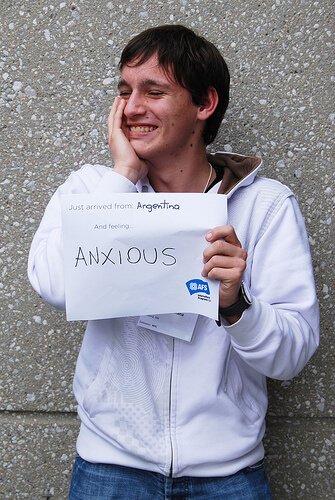
Anxiety is different than stress because it is far less logic. Your thoughts will tend toward dramatic, paranoid, and incessant. You will feel panicky and fearful at the slightest thing, even if you can’t make sense of it.
Feelings of anxiety can also manifest physical symptoms such as nausea, muscle tension, increased heart rate, and perspiration.
Addiction
Addiction is a serious issue that often requires the attention of a trained therapist or support group. Both kinds of support can help answer questions such as “Why me?” and “How did this come about?”
A therapist can also help target the triggers of addictive behaviours, and help you create a plan to avoid them.
Sexual issues
While some sexual issues are physical, many are mentally and emotionally connected. So a therapist can really help here.
You shouldn’t at all feel embarrassed, either. A therapist who specialises in sexual issues is used to talking about any and all sexual problems that can arise.
Confidence
Many people who turn to therapy do so because they have issues with their self-confidence. This can be down to unresolved childhood issues, harmful relationships, and/or automatic negative thoughts.
Greater self-awareness
Not everyone who comes to therapy has an issue. Some are just curious to understand themselves better, and therapy is very useful in this case.
Greater life balance
Perhaps the greatest benefit to having therapy is achieving greater balance and harmony in life.
This is often the surprise benefit of overcoming your life difficulties in the therapy room. But if you are aware that your life is unbalanced, if perhaps you are a workaholic, or alternately spend too much time at home, it’s reason enough to seek therapy.
Is your issue not listed?
You might find our A to Z guide to psychological issues interesting. It shows a wide array of problems people seek therapy for, and that therapy can help.
So should you, or shouldn’t you, give therapy a try?
Embarking upon therapy can be a very rewarding experience. Gone are the days where therapy was something to be embarrassed about.
If you, or someone you know, have been struggling with one or more of the above common reasons for trying therapy, then perhaps it’s time to give it a try.
Harley Therapy connects you with professional and accredited therapists across the UK. Always travelling? online therapy can be a useful option.
 Andrea M. Darcy is a health and wellbeing expert, trained in person-centred counselling and coaching. She often writes about trauma, relationships, and ADHD, and advises people on how to plan their therapy journey. Find her on Instagram @am_darcy
The information I have use was very informative. Thank you.
I attempted to steal from y best friend in the world, I have many halt problems and I don’t remember doing it all or what the item even looks like. I don’t know why and I didn’t need money. I thought it was a mans ring f some sort. We are trying to figure things out but I have no real answers for her other than, I’ve been under a lot if stress but she the one person in my life that I truly adore apart from my daughter and I couldn’t feel worse, what’s wrong with me
We can’t say ‘what’s wrong with you’. We don’t think anything is ‘wrong’ with anyone. We think that life can go wrong, and then sometimes we respond in ways that don’t make sense. This can be for many reasons. It can be because we want to sabotage good things as on a certain level we don’t think we believe we deserve them, it can be because we need help and attention and we don’t know how else to get it. We can’t say based on a comment. We can say, there is no point in judging yourself. It just makes things harder, right when life is being hard enough. But if you are struggling and need support, reach out for it. A counsellor or therapist can offer you non judgemental help and help you find ways to feel stronger and better about yourself, and also help you repair broken relationships. If money is an issue, read our piece on low cost counselling for inspiration. Hope that helps.