
Seasonal Affective Disorder – In Summer?
 Dr. Sheri Jacobson
July 3, 2026
Dr. Sheri Jacobson
July 3, 2026

By: ryo katsuma
The kids are off school, the barbecues are out, and everyone around you seems to be having the best summer of their life. So why aren’t you? Is it just the stresses of summertime catching up with you, or something more?
Seasonal affective disorder isn’t only a winter thing
Seasonal affective disorder (SAD) is almost always talked about as a winter condition, but it’s entirely possible to experience it in summer instead. This pattern is sometimes called “reverse SAD” or summertime depression, and it’s more common than most people realise:
estimates suggest tens of thousands of people in the UK experience it each year, even with our notoriously unpredictable summers.
If you find yourself feeling low precisely when everyone else seems to be enjoying the sunshine, this may be worth reading further.
What is seasonal affective disorder?
SAD is a form of major depression that follows a seasonal pattern. People with otherwise stable moods find that, at a predictable point each year, they slip into a period of low mood – then recover as the season changes again.
Most people associate the onset with autumn and winter, as days shorten and light fades. But research suggests that around 1 in 10 people with SAD experience the opposite pattern: their symptoms begin with the arrival of warmer weather and longer days. Some describe the sun itself feeling uncomfortable or overwhelming, or a strong pull towards cool, dark rooms. For others, it’s simply a consistent low mood that returns every summer without an obvious cause.
Symptoms of summertime SAD

By: LMAP
Like its winter counterpart, summertime SAD is a form of major depressive disorder. Symptoms vary from person to person, but commonly include:
- Feeling sad or irritable more often than not
- Persistent negative or hopeless thinking
- Anxiety or black-and-white thinking
- Changes in sleep patterns
- Loss of motivation or interest in things you normally enjoy
- Wanting to withdraw from other people
- Decreased sex drive
- Changes in appetite (over- or under-eating)
- Unexplained exhaustion or fatigue
- Difficulty concentrating or “foggy” thinking
[Read our comprehensive Guide to Depression for a more detailed overview.]
How is this different regular depression?
A few things distinguish SAD from depression more generally:
- Low mood appears specifically when the seasons change, rather than persisting year-round
- Mood is stable and normal for the rest of the year
- The pattern has repeated at the same time of year for several years
- There isn’t a more obvious explanation – such as a difficult life event, or dread around a specific yearly occasion
Summertime SAD vs Wintertime SAD: what’s different?
Though often grouped together, summer and winter SAD can look quite different in practice.
Winter SAD commonly involves oversleeping, difficulty getting out of bed, and cravings for carbohydrate-heavy food.
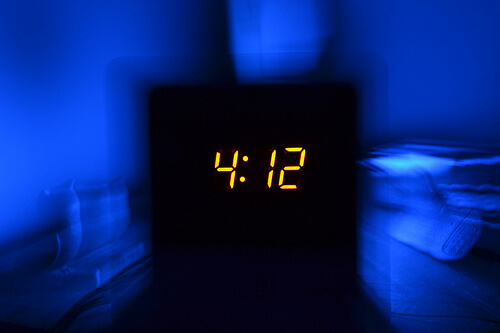
Summer SAD tends to involve the opposite: disrupted sleep and reduced appetite. It’s also more often accompanied by anxiety, where winter SAD tends to bring more lethargy. Sex drive often moves in the opposite direction too — typically lowered in winter SAD, but sometimes increased in summer SAD.
By: Benjamin Watson
Is there a link with bipolar disorder?
Seasonal mood changes can sometimes be linked to bipolar disorder rather than SAD alone. Some research suggests a meaningful proportion of people with summer-pattern SAD may in fact be experiencing a bipolar pattern — with symptoms of mania (elevated mood, impulsivity, uncharacteristic decisions) in winter, followed by depressive, low-energy symptoms in summer. Some people experience this the other way around, with elevated, impulsive periods in summer and low mood in winter.
How is summertime SAD diagnosed?
There’s no blood test or simple screen for SAD. Diagnosis comes from a conversation with a health professional about your history, patterns, and current symptoms. A GP can also run basic tests — such as checking thyroid function — to rule out physical causes for changes in mood, sleep, or appetite, before referring you on for further support. You can also access support directly through a private psychotherapy and counselling clinic.
Why might summer trigger low mood?
The exact cause isn’t fully understood, and summer SAD has been researched far less than winter SAD. For winter SAD, the leading theory involves how reduced sunlight affects the brain’s production of serotonin and melatonin — hormones that regulate mood, sleep, and appetite. Whether that mechanism holds for summer SAD is less clear.
One theory points instead to circadian rhythm disruption — the body’s internal clock, which also governs energy and mood, being thrown off by longer daylight hours and disrupted routines. Heat itself is another commonly suggested factor, though there’s limited hard evidence for this specifically. A smaller body of research has also explored a possible link with pollen allergies, though the studies so far have been limited in scope and would need further work to draw firm conclusions.

By: Allan Ajifo
What can help
Alongside professional support, there are a few practical things worth trying if you notice this pattern in yourself:
- Protect your sleep. Long daylight hours can make it harder for your body to wind down. Blackout curtains or an eye mask, and keeping a consistent bedtime regardless of how light it still is outside, can help steady your sleep-wake cycle.
- Keep your space cool and dim when you need to. If bright light or heat feels overwhelming, there’s nothing wrong with drawing the curtains and creating a calmer, cooler environment during the hottest part of the day, rather than forcing yourself to be out in it.
- Watch your routine, not just the weather. Summer often disrupts normal structure – different working hours, more socialising, holidays. Where you can, try to keep anchor points in your day (regular mealtimes, some daily movement, a consistent wind-down routine) even while other things shift around them.
- Give yourself permission to opt out. Social pressure to be constantly out enjoying the sunshine can make low mood feel even more isolating. It’s fine to say no to some of it, and to be honest with people close to you about how you’re actually feeling.
- Track the pattern. If you suspect this happens most summers, noting down when it starts and what helps can be genuinely useful – both for your own understanding and for a professional if you do seek support.
These strategies won’t resolve clinical-level SAD on their own, but they can ease the load while you decide on next steps, and they’re useful context to bring to a first session if you do reach out for support.
Do I need support for summertime sadness?
Summer carries a certain reputation for being effortlessly joyful, but it brings its own pressures too: disrupted routines, financial stress from holidays, family expectations, and social pressure to be visibly having a good time. Sometimes what looks like SAD is really this kind of seasonal stress rather than a clinical pattern.
Either way, if low mood is making day-to-day life difficult, support is worth seeking — whatever the underlying cause. If you notice a repeating pattern to your moods, or feel that something deeper is being triggered each year, speaking with a counsellor or psychotherapist can help you understand what’s happening and find ways through it.
If it does turn out to be seasonal affective disorder, there’s real value in seeking support before the next cycle begins – having strategies and tools in place ahead of time can make a genuine difference to how the season affects you.
If you’re noticing a seasonal pattern to your mood and would like to talk it through, you can book a session with a practitioner at Harley Therapy, or explore UK-wide options through the Harley Therapy Platform.