





Do you find it hard to concentrate, feel constantly restless, or struggle with impulsive decisions at work or in relationships?
Many adults seek an ADHD assessment after years of feeling they are underperforming or working harder than others just to keep up.
An assessment can help you understand whether ADHD may be contributing to these experiences, and importantly, what support might help.
ADHD in adults: common experiences (see here for teens and adult combined Autism & ADHD)
ADHD is commonly described in terms of three core features: inattention, hyperactivity and impulsivity.
In adults, these often look different from childhood presentations.
You may notice:
- difficulty sustaining focus, alongside periods of intense hyperfocus
- problems with organisation, time management, or completing tasks
- impulsive decision-making
- emotional reactivity, such as impatience or frustration
- challenges in relationships or at work
Everyone’s experience is individual, and an assessment looks at how these patterns show up across your life.
Why seek an ADHD assessment with a specialist?
Choosing a private ADHD assessment is a significant step. Many people want reassurance that they are seeing a clinician with genuine experience in neurodevelopmental conditions, rather than ADHD being a small part of a broader general practice.
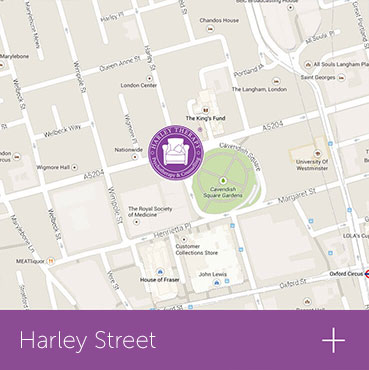
The independent clinicians practising from our Harley Street rooms include psychiatrists and psychologists with long-standing expertise in adult ADHD assessment and diagnosis. Their work focuses on neurodevelopmental conditions, informed by both NHS and private practice experience.
Clinicians include:
-
Dr Phil Ferreira-Lay, Consultant Psychiatrist with specialist experience in adult ADHD
-
Dr Naresh Buttan, Consultant Psychiatrist with extensive NHS and private sector experience
-
Dr Maria Daves, Psychologist and ADHD coach, specialising in adult ADHD and combined Autism & ADHD assessments, with a particular interest in women’s presentations
Appointments, acceptance of referrals, diagnoses and treatment decisions are determined solely by the independent practitioner.
Arranging an ADHD assessment
Ready to stop the constant struggle of living with undiagnosed ADHD? Our support team can assist you confidentially by phone or online.
What you can gain from an ADHD assessment
Many people describe a sense of relief after an ADHD assessment. Potential benefits include:
- finally understanding your long-standing behaviour patterns
- being able to explain your experiences to others
- recognising and building on your strengths
- learning strategies to cope more effectively
- accessing support and services to make things easier for you and your family
- moving forward with life goals and no longer feeling trapped by your own mind
- improved relationships.
Why does ADHD show up in adulthood?
You don't just suddenly develop attention deficit disorder as an adult. It would have been there since childhood. It's just that the struggles of some children are overlooked.
ADHD often goes undiagnosed in children who have high IQs, for example, who can find ways to compensate. It's only when faced with the many responsibilities of adult life that symptoms become more apparent.
And it's now understood that symptoms can be different in girls than boys, with the former being more prone to being inattentive and dreamy over hyperactive. Many adult women had their struggles overlooked when a child.
What is an adult ADHD assessment like?
Clinicians follow national guidance, including recommendations from the National Institute for Health and Care Excellence (NICE), alongside DSM-5 and ICD diagnostic frameworks.
An adult ADHD assessment may include:
- a detailed developmental and psychiatric history
- questionnaires exploring how symptoms affect daily life
- discussion of work, relationships, family and coping strategies
- assessment of mental state and behaviour
- consideration of physical health and co-existing conditions
- information from someone who knows you well, where appropriate
Related and overlapping difficulties
During an ADHD assessment, practitioners may also consider other conditions that can occur alongside or mimic ADHD, such as:
- anxiety and depression
- bad habits
- eating disorders
- learning differences
- low self-esteem
- personality-related difficulties
- sleep problems.
If ADHD is not diagnosed, the clinician will discuss alternative explanations and recommendations with you.
Treatment options following an ADHD assessment
Where appropriate, the clinician may recommend a treatment plan tailored to your needs. This can include:
- psychological therapies
- ADHD-focused coaching or skills support
- workplace or educational adjustments
- medication, where clinically indicated
Treatment recommendations and prescribing decisions to address your psychological, behavioural, and occupational/educational needs, are made by the clinician as part of their independent practice. In some cases, they may advise that NHS or specialist services are more appropriate.
For further information, you can explore our general information page about ADHD treatment options.
View the Experts
How to book your appointment
Call us now on 0345 474 1724 OR book online
All practitioners are qualified and accredited with reputable professional associations.
Reviewed by  Dr Sheri Jacobson
Other Neuro-developmental Services:
Meet the Experts


.webp)
Enquiry Form
To make an enquiry, please fill in this confidential form. Our dedicated administrators will review your needs and get back to you as soon as possible.