
Christmas Depression: Why It Happens and How to Cope
Reviewed by  Dr Sheri Jacobson
by Dr Sheri Jacobson
In short: Christmas depression is low mood that builds or worsens over the festive season. It can bring tiredness, poor sleep, withdrawal from others, guilt and negative thinking. Common triggers include loneliness, grief, money worries, family tension and comparing yourself to others. It can help to be honest about how you feel, keep up basic self-care, limit alcohol, challenge all-or-nothing thoughts and stay connected to people. If low mood is affecting your daily life, talking to a therapist can help.
Christmas is meant to be the most joyful time of year, but for many people it is one of the hardest. If you feel low, flat or tearful while everyone around you seems to be celebrating, you are not alone, and there is nothing wrong with you for feeling this way.
Below, we look at the signs of Christmas depression, why the festive season can bring your mood down, and what can help.
 photo by Leeloo the First for Pexels
What are the signs of Christmas depression?
The signs are the same as for depression at any other time of year. They can include:
- negative or hopeless thinking
- more guilt and self-blame than usual
- not wanting to see friends, or hiding away at home
- irritability, mood swings or picking fights with people you love
- foggy thinking and tiredness
- sleeping much more or much less than usual
- eating more or less than usual
- drinking more, or leaning on other habits to cope
- thoughts of hurting yourself or that life isn't worth living.
If you are having thoughts of hurting yourself or ending your life, please reach out now. You can call Samaritans free on 116 123, any time of day or night, including over Christmas. You can also text SHOUT to 85258 to reach Shout, a free, confidential text service. If you feel you might act on these thoughts, call 999 or go to A&E.
Not sure whether it's depression? Our guide to 12 depression symptoms you might be overlooking may help.
Why do I feel so low at Christmas?
Comparison. The festive season is full of images of perfect families and happy gatherings, on TV, in adverts and across social media. We compare our Christmas to other people's, and to Christmases past: the one before the breakup, or when a parent was still alive. Comparing yourself to others can quickly wear down your self-esteem, and low self-esteem is closely linked to depression.
Loneliness and grief. Christmas can highlight who is missing, whether that's a partner, family far away, or someone who has died. And loneliness isn't only about being alone. You can feel disconnected even in a room full of people. Older people can be especially affected. Age UK's research from December 2025 found that one million older people feel more isolated at Christmas than at any other time of year. If you'll be on your own, our guide to spending Christmas alone may help.
 By: Peter Harrison
Money worries. Pressure to spend, and fear of letting children down, can weigh heavily. Debt and depression often go hand in hand.
Alcohol and disrupted routines. Many of us drink more, eat differently, sleep at odd hours and move less over the holidays. Alcohol is a depressant, and together these changes can leave you less able to cope.
End-of-year reflection. As New Year approaches, it's easy to start criticising yourself for what you did or didn't achieve, and to lose sight of what has gone well.
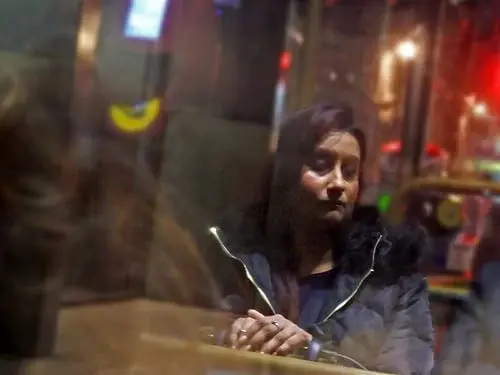
Why do I feel low when nothing is wrong?
Sometimes there is no obvious reason. You might have family, a partner and enough money, and still feel low. Depression isn't always logical in that way.
For some people, painful past experiences, such as a difficult childhood, can leave deep beliefs about not deserving happiness, and festive times can stir those feelings up. If Christmas is hard for you year after year, it may be a sign that it's worth getting support to look at what lies underneath.
Is it Christmas depression or seasonal affective disorder (SAD)?
Christmas falls in the darkest weeks of the year, when seasonal affective disorder can be at its strongest.
SAD is a type of depression linked to the shorter days of autumn and winter.
It's worth noticing whether your low mood follows the seasons. Does it start in autumn or early winter and lift in spring? If so, speak to your GP, as SAD can be treated.
How to cope with Christmas depression
1. Be honest with yourself about how you feel
It can be tempting to push low feelings away, especially when everyone expects you to be cheerful. But naming how you feel is the first step towards doing something about it, and it helps you notice whether this is a pattern, such as SAD, that can be treated.
2. Catch yourself comparing
Set a reminder a few times a day to check in with your thoughts. Write down any comparisons you've made, then ask yourself:
- Is this comparison true, or an assumption?
- What might I not know about this person's life?
- Where do I actually compare equally, or well?
3. Look for the middle ground
Depression tends to bring all-or-nothing thinking. Cognitive behavioural therapy (CBT) offers a simple way to challenge it. When you notice a negative thought, write down its exact opposite, then write a more balanced thought in between that you can back up with facts.
For example, "Nobody cares that I'm alone at Christmas" might have the opposite "Everyone cares that I'm alone". The balanced version could be: "My friend called last week, and a colleague asked if I'd be okay over the holidays. Some people do care." Read more about black and white thinking.
4. Keep up the basics of self-care
Self-care often slips over Christmas, which matters when your mood is low. It doesn't have to be perfect. If the gym feels too much, go for a walk. If you're eating lots of rich food, add in some vegetables. Keep an eye on alcohol, and try to keep regular sleep times. Each small choice tells your brain that you matter. Read more about self-care and depression.
5. Try a small gratitude habit
Each morning while you brush your teeth, think of three things you're grateful for, however small. Linking a new habit to something you do every day makes it more likely to stick. It may be the last thing you feel like doing, but practising gratitude can help lift your mood over time.
 photo by Keira Burton for Pexels
You don't have to go to every event or meet every expectation. Saying no to things you know will leave you drained, such as drinks with colleagues who aren't kind to you, frees up time and energy for what actually helps. This matters even more if family tension is part of what brings you down. Our guide on how to say no may help.
7. But say yes to connection
Depression pushes us to withdraw, which tends to make things worse. Say yes to things you'd enjoy if you weren't feeling low, such as a meal with a friend or a walk outside, where daylight can also help. Sending a few cards or messages to people you care about can be another small way to feel connected.
If Christmas TV and adverts make you feel worse, plan things that aren't festive at all, such as a film, a swim or a long walk.
8. Make it your own
If old traditions bring back painful memories, it's okay to start new ones. You might mark the winter solstice, spend the day with friends rather than family, or try volunteering, which can lift your mood and help you feel part of something.
9. Come back to the present moment
We often spend Christmas going over the past, which we can't change, or worrying about the future, which we can't control. Try pausing to notice what is okay right now: something you can see, hear, smell or taste that is pleasant. This is the basis of mindfulness, which many therapists use to help with low mood.
When to seek support
If you know Christmas is a hard time for you, it can help to book an appointment with a counsellor before it arrives, as depression can make it harder to reach out once it takes hold. You don't even need to leave the house, as many therapists work online.
It's a good idea to get support if low mood is affecting your daily life, lasts for more than two weeks, or carries on into the new year. Depression counselling can help you understand what is going on and find ways through it.
At the very least, ask a friend to be on call if you're going into situations you know are hard for you.
If you need to talk to someone straight away, Samaritans is open 24 hours a day, including over Christmas, on 116 123. Young people can find support and information from YoungMinds and Mind. If you are at risk of harming yourself or someone else, call 999.
Frequently asked questions
Is it normal to feel depressed at Christmas?
Yes. Many people feel lower over the festive season, often because of loneliness, grief, money worries, family tension or the pressure to be happy.
What are the signs of Christmas depression?
Signs include low or hopeless mood, guilt, withdrawing from others, irritability, tiredness, changes to sleep or appetite, and drinking more. If you have thoughts of harming yourself, call Samaritans on 116 123.
What is the difference between the Christmas blues and depression?
The Christmas blues usually describes a dip in mood that passes once the festive season is over. Depression is more persistent, lasts for two weeks or more, and affects your daily life. If low mood continues into the new year, it is worth seeking support.
Is Christmas depression the same as SAD?
Not always. Seasonal affective disorder is depression linked to the darker months, and often lasts from autumn to spring. Christmas depression may be linked more to the festive season itself, though the two can overlap.
How can I cope with depression at Christmas?
Be honest about how you feel, keep up sleep, food and movement, go easy on alcohol, challenge all-or-nothing thoughts, and stay connected to people you trust. Talking to a therapist can also help.
Have a tip for getting through Christmas when you're feeling low? Share it in the comments below.
Feeling low this Christmas? We connect you with some of London's most highly rated depression counsellors, in central London or online. Outside London? Find a UK-wide therapist on harleytherapy.com.
About the Author



Leave a comment