Were you Sexually Abused as a Child? How to Tell
 Dr. Sheri Jacobson
March 8, 2023
Dr. Sheri Jacobson
March 8, 2023

By: Wade Harris
Suspect you were sexually abused as a child? You are far from alone. The Office for National Statistics estimates that 9.1% of adults in England and Wales experienced sexual abuse before the age of 18 – around 4.3 million people (ONS, Abuse During Childhood in England and Wales, year ending March 2024).
Real rates are likely higher still. ONS data shows that most people who experienced this kind of abuse did not tell anyone at the time it happened.
What is sexual abuse?
It’s important to understand what qualifies as sexual abuse before dismissing an experience you might have had as ‘not a big deal’. Understanding of what counts as child sexual abuse has broadened in recent years, particularly around abuse that doesn’t involve physical touch.
First of all, sexual abuse does not have to be between a child and a ‘grownup’. It can be an older sibling or another child who abuses you.
Abuse doesn’t even need to involve touch
It is now recognised that sexual abuse does not even have to involve physicality to be extraordinarily damaging to a child and the future adult they will become. Sexual abuse can can be any situation where a child is exploited for the sexual pleasure of another.
Called ‘non contact’ or ‘covert’ sexual abuse, this can look like someone who constantly exposed their body to you, forced you to expose your body, showed you pornography, or constantly talked about sexual things to you.
Examples of covert abuse are a father who always talks about a daughter’s body ‘being too sexual’ when she is going through puberty. Or a mother who strips a child and makes them stand naked in their room for hours as ‘punishment’ for ‘being bad’. Again, such examples can both result in the same long-term symptoms as other forms of sexual abuse.
Wouldn’t I remember if I was sexually abused as a child?
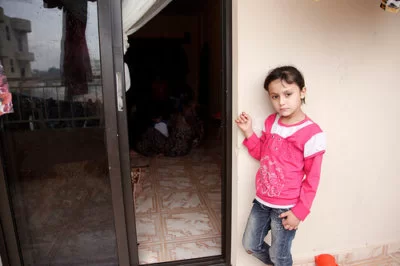 Victims of sexual abuse often do not remember the experience. A wiped out memory for certain parts of your childhood can be an indicator trauma of some form took place.
Children can’t just walk away if they find themselves in a difficult or terrifying situation. So ‘forgetting’ becomes your brain’s way of surviving and coping. And we carry this coping mechanism into adulthood.
So have I been sexually abused? Knowing the signs
Sexual abuse can cause long-term issues in your behaviours, relationships, and sex life, as well as in the ways you treat yourself. It can even effect your physical wellbeing.
Trauma symptoms
Being sexually abused as a child can cause long-term symptoms of trauma, now called ‘complex post-traumatic stress disorder‘ or ‘c-PTSD’. This can look like:
- foggy thinking
- restlessness
- memory loss around the trauma
- vigilance – more jumpy with noises and surprises than others are
- emotional outbursts
- not liking certain places/situations/smells/sounds without knowing why
- deep feelings of shame and guilt.
Relationship symptoms
Healthy relationships tend to be very challenging if you experienced sexual abuse as a child. Do you experience some of the following?
- trust issues
- fear of intimacy
- trouble setting boundaries and saying no
- easily stressed by relationships
- often overwhelmed by emotions
- resentment and anger issues.
You might also constantly attract relationships which ‘re-enact’ abuse. This can look like:
- codependency
- emotional abuse
- attracting those with traits of narcissism or NPD
- always playing the victim.
Sex symptoms
Sexual abuse as a child can also really affect the way you approach sex. Do you recognise yourself in the following?
- promiscuity
- or fear or dislike of sex
- being a ‘pleaser’ sexually and not knowing what you really want
- confusion around your sexual identity
- dissociation during sex (like you ‘leave your body’ and watch from above)
- needing to escape into fantasy in order to enjoy sex
- having sexual fantasies where you are abused or raped
- constantly using innuendo in conversation.
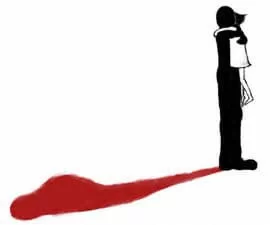
By: Rie H
Physical symptoms from being abuse as a child
Being sexually abused as a child or adolescent can lead to physical symptoms such as:
- obesity
- constantly having small injuries
- constant low grade illnesses like cold and flu
- unexplained medical symptoms
- feeling totally disconnected from your body
- high pain tolerance
- feeling oddly dirty or itchy all the time
- or that you can’t trust your body.
Related psychological conditions
The trauma of sexual abuse leads to many other psychological issues. Do you feel you might also suffer from some of the following?
- depression
- anxiety and social anxiety
- sleep disorders
- eating disorders
- self-harm
- suicidal thinking
- low self-esteem
- identity crisis
- addictions
- sexual problems
- panic attacks
- OCD.
And finally, sexual abuse is linked to the manifestation of certain personality disorders, in particular borderline personality disorder and histrionic personality disorder.
The connection is so high that some psychologists debate if these disorders exist at all or are really just manifestations of trauma, with some calling to rebrand BPD as complex trauma.
I think I was abused as a child. What do I do now?
If you do suspect you were sexually abused as a child, you might find yourself suddenly experiencing overwhelming waves of anger and fury. It is highly advised you don’t react by immediately contacting and accusing all the people who might have abused you.
You will be doing this from a vulnerable place, and can put yourself at risk of attack and manipulation. You might even in the process alienate yourself from other family and friends whose support you count on, right when you need them most. It’s better to first seek support to help you process what you are dealing with, and then make big decisions from a stable and secure place.
[Our article on ‘What to do if you think you were abused‘ goes into more detail].
Seek support first
The symptoms above are comprehensive, but note that it’s not just sexual abuse which leads to these sign of trauma. Many difficult childhood experiences can result in similar symptoms. Support can help you get clearer on what the root cause really is.
Reach out to good friends you trust. Then do try to find professional support as soon as possible, whether that is a counsellor or psychotherapist with expertise around sexual abuse, or a local support group.
If money is an issue, you can speak to your GP, or read our guide to low-cost counselling for helpful tips.
NAPAC (the National Association for People Abused in Childhood) runs a free, confidential support line specifically for adult survivors of childhood abuse: 0808 801 0331.
If you’re finding things very difficult right now, Samaritans are available 24/7 on 116 123, free and confidential.
________
Worried this is you? We connect you with some of London’s most experienced and highly regarded therapists for childhood sexual abuse. Not in London, or on a budget? Try our sister site of UK-wide therapy listings, where you can find an affordable therapist or online counsellor based on unbiased reviews.
________
A Note from the Blog Team
To our readers,
This article created a space where many felt moved to share profoundly personal and painful experiences. We read every comment with the utmost respect and compassion for all who contributed. The community solidarity and courage shown here was deeply moving.
Unfortunately, we have had to make the difficult decision to close and remove the comments section. This was not done lightly. In managing this site, we found that the detailed personal narratives, while important, were causing the article to appear in search results for harmful and explicit terms. This inadvertently risks further distressing those searching for help and pulls the blog away from its core purpose: to provide safe, supportive, and recover-focused information.
We understand that sharing and feeling heard is a crucial part of healing. If you came here looking to connect with others or share your story, we want to signpost you to dedicated, safe spaces where you can do so with appropriate support.
If you are in the UK and need support:
The National Association for People Abused in Childhood (NAPAC): Offers a specialist confidential support line and email service. Support Line: 0808 801 0331 (Mon-Thu 10am-9pm, Fri 10am-6pm). www.napac.org.uk
Survivors UK: For men, boys, and non-binary people affected by sexual abuse. Webchat and text services available. www.survivorsuk.org
Rape Crisis England & Wales: For women and girls. Phone: 0808 802 9999 (24/7). www.rapecrisis.org.uk
Samaritans: For anyone struggling to cope, 24 hours a day. Phone: 116 123 (free). www.samaritans.org
If you are in the US and need support:
RAINN (Rape, Abuse & Incest National Network): The nation’s largest anti-sexual violence organization. Operates the National Sexual Assault Hotline. Phone: 800.656.HOPE (4673) (24/7). Online chat also available at www.rainn.org
The National Domestic Violence Hotline: Also provides support and resources related to abuse. Phone: 800.799.SAFE (7233). www.thehotline.org
Crisis Text Line: Text HOME to 741741 from anywhere in the US, anytime, to connect with a trained Crisis Counselor.
1in6: For men with experiences of sexual abuse or assault. Online support groups and resources. www.1in6.org
A gentle reminder: The internet can be an unpredictable place. If you choose to share your story online, we encourage you to seek out moderated, anonymous forums specifically designed for survivor support, where your safety and wellbeing are the primary focus.
You are not alone, and your feelings are valid. Healing is possible, and support is available.
With care and solidarity,
The Harley Therapy Team